
How a Clogged HVAC Condensate Line Mimics a Major Plumbing Leak
Homeowners often panic when discovering water pooling near their HVAC system, fearing a catastrophic plumbing failure. However, in many cases, this issue stems from a simple, clogged HVAC condensate line rather than a broken pipe. Understanding this common occurrence can save you unnecessary stress and help you identify when to call your local professional.
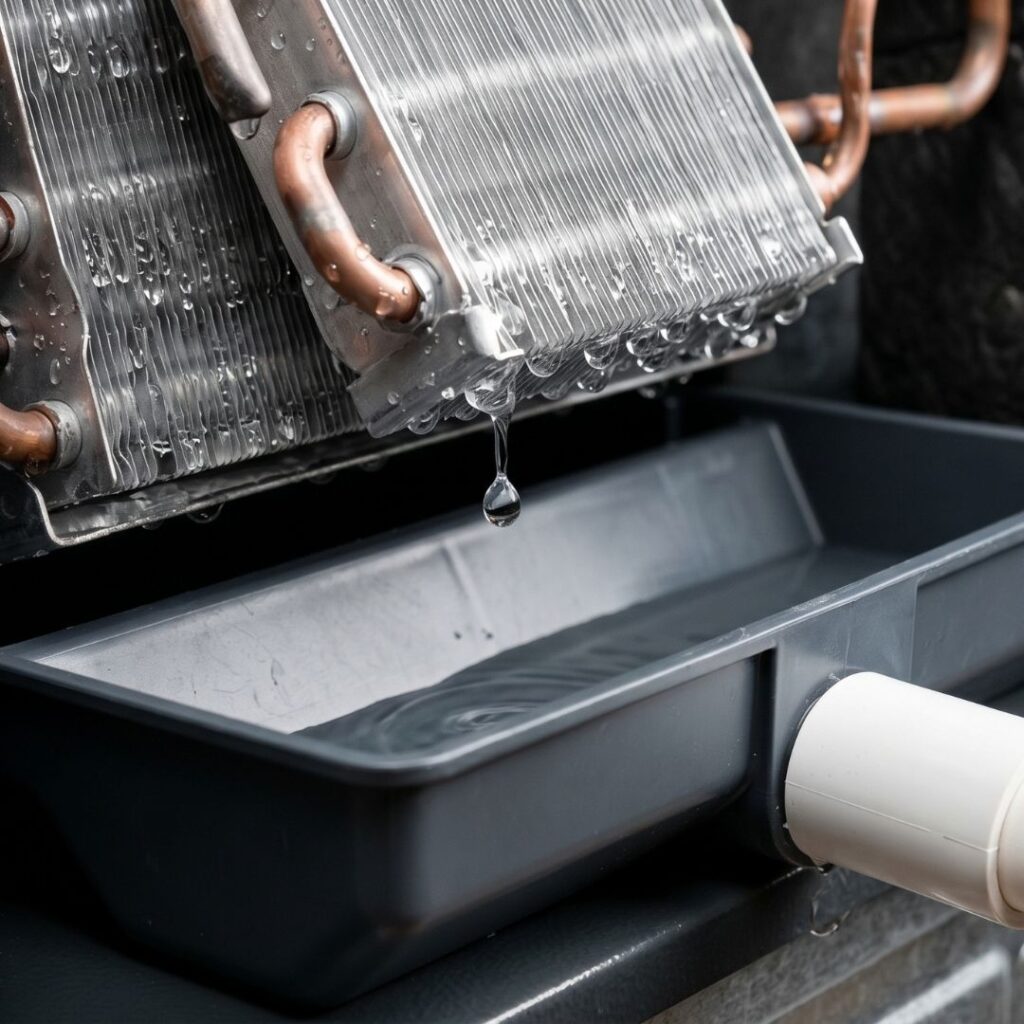
The Mechanics of Condensation
As your air conditioner cools your home, it naturally pulls moisture from the air. This moisture condenses on the evaporator coils and is funneled into a drain pan. From there, it should exit safely through the condensate line. When this path becomes obstructed, water overflows the pan, leading to visible leaks.
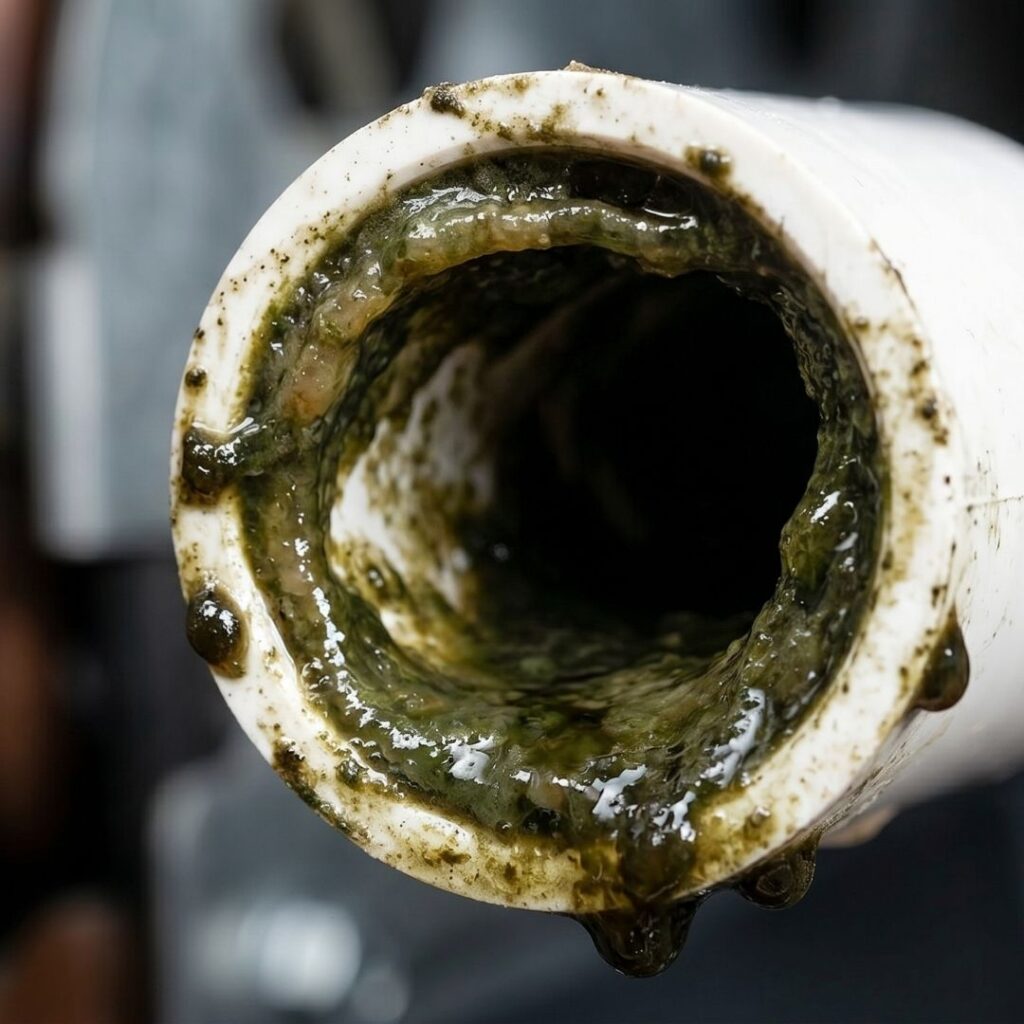
Algae and Debris Buildup
The most frequent cause of a blockage is the accumulation of algae, mold, or dust within the drain line. Because the environment inside the line is often dark and damp, it becomes a breeding ground for biological growth. Over time, this sludge creates a dam, forcing water to back up into your home.
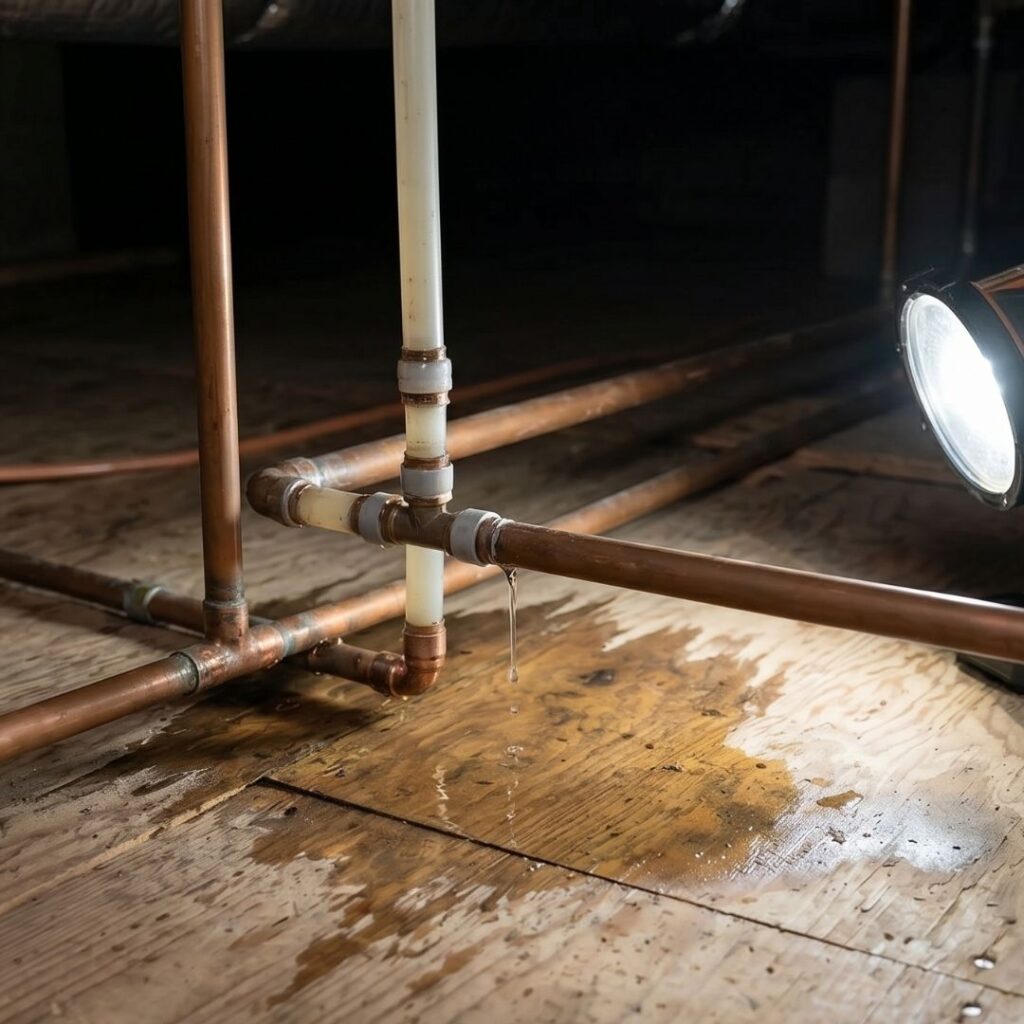
Indicators of an HVAC Issue
You can often distinguish an HVAC leak from a plumbing issue by looking for clues. If water appears specifically when the AC is running or if you notice rust or biological slime around the unit, it is likely an HVAC condensate problem. A plumbing leak, conversely, may be present regardless of whether the air conditioner is active.
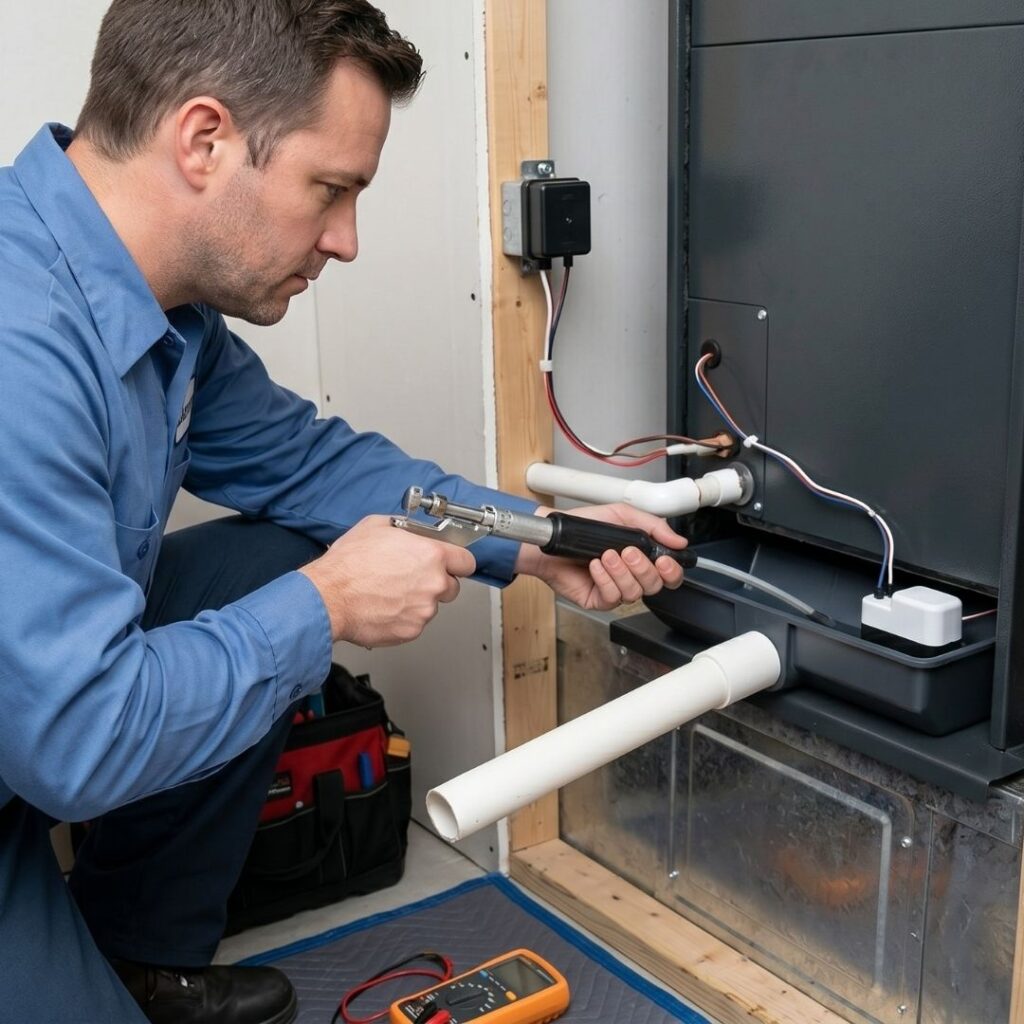
Importance of Professional Maintenance
While some clogs are minor, an overflow can damage ceilings, floors, and electrical components. Regular professional maintenance ensures that these lines are cleared and sanitized before they cause structural harm.
If you suspect your HVAC system is leaking, contact Accuray Mechanical, LLC, your trusted Plumbing Company in North Haven. Our expert technicians can accurately diagnose the source and restore your peace of mind today.